
California Farm & Agribusiness Insurance Specialists
Specializing in Almond, Walnut & Rice Growers in Yuba, Sutter, Colusa & Butte Counties - and Throughout California
At Oakview, farm and agribusiness insurance is personal. We are a local, independent agency and we do business the old-fashioned way: eye to eye, face to face, and with a handshake. No call-center runaround. No one-carrier limitations. We take time to understand your operation first, then shop top national and regional carriers to place coverage based on fit, not commission. From rice growers and rice dryers to almond growers and hullers, walnut growers, kiwi and peach orchards, prune operations, processing tomatoes, cattle ranches, and ag operations of every size, we build protection around your land, equipment, facilities, and people.
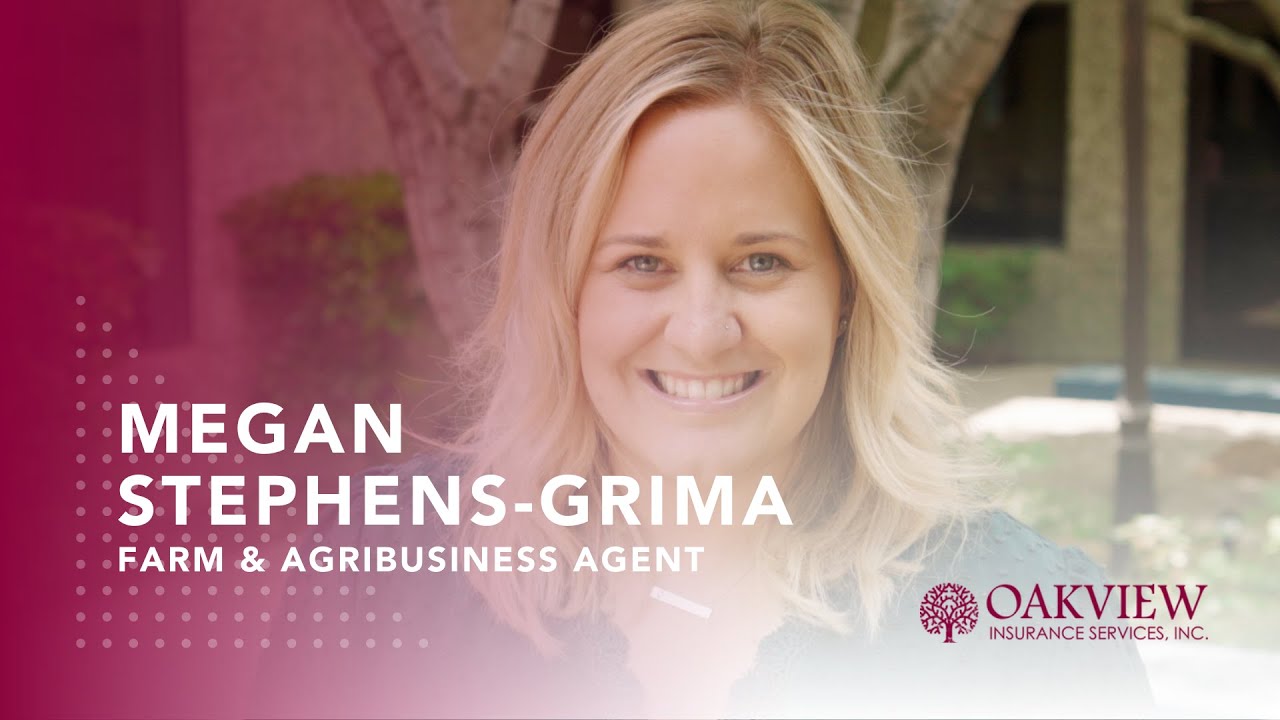
Hear from Megan one of our Farm Specialists
About Oakview's approach to helping California growers, shippers, and packers find the right coverage.
"We believe in doing business Eye to Eye, Face to Face, and with a Handshake."
Dedicated Coverage for California's Key Crops
Sacramento Valley agriculture is not one thing. Rice, almonds, and walnuts each carry distinct equipment chains, processing facilities, seasonal workforce profiles, and coverage requirements that a general farm program page cannot fully address. We have built dedicated insurance resource pages for each of the region's primary row and tree crops, covering the specific phases, equipment brands, processing exposures, and coverage gaps that growers in each category actually face.
Rice Farm Insurance California covers the full rice operation from field prep and aerial seeding through harvest, on-farm drying, and storage. The rice dryer, and the equipment breakdown coverage that standard farm property does not provide, is the central focus.
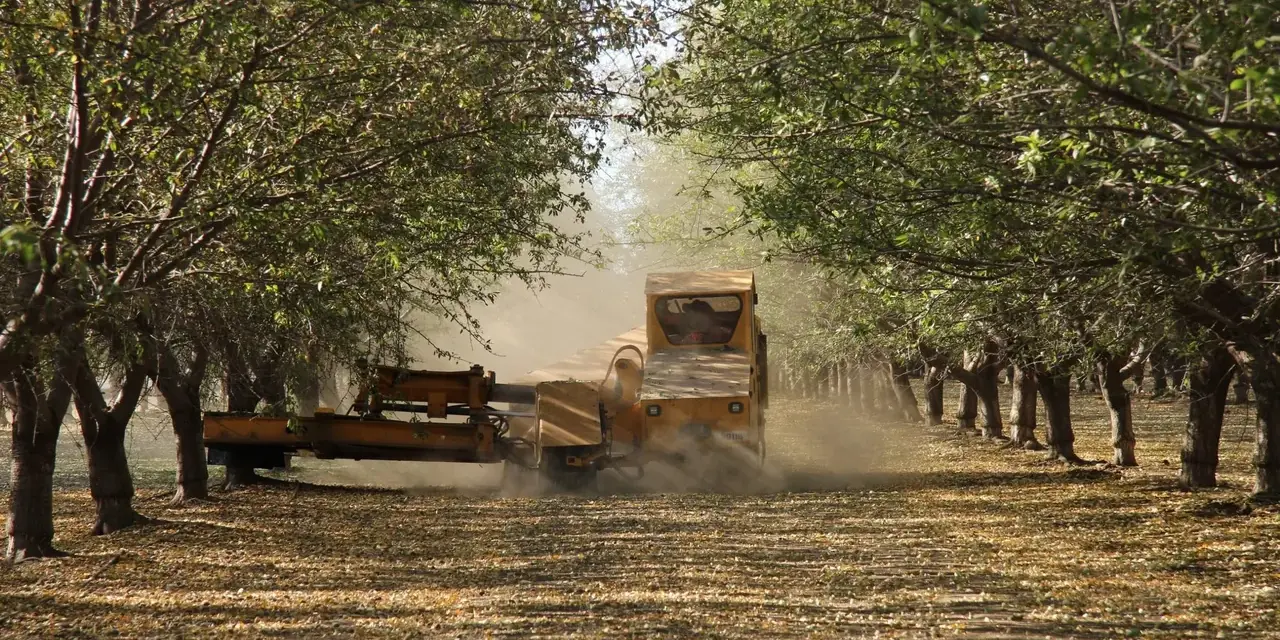
Almond Farm Insurance California covers almond operations from orchard establishment through harvest, hulling, and storage. Young orchard coverage, on-farm huller breakdown, and harvest crew liability are the primary gaps we address.
Walnut Farm Insurance California covers walnut operations from orchard establishment through harvest, hulling, dehydrating, and handler delivery. Walnuts are the only major Sacramento Valley tree crop that runs through two separate processing facilities, huller and dehydrator, each with its own breakdown and fire exposure.
Real Farmer Feedback
Over 850+ 5⭐ reviews, Voted Best Agency, Agent and Customer Service.
K
Karen Judge
Oakview has been a tremendous help to our company by setting up our farm, auto, flood, etc., insurances. They worked very hard to meet our needs and worked effectively and efficiently to get everything done in a timely manner. They are very professional and committed to their work, they are amazing to work with! We highly recommend everyone to get insurance through Oakview.
B
Brooke Reading
I Highly recommend Oakview Insurance Services. They did an outstanding job of making sure I am adequately covered on my auto and Farm policies. My prior farm policy was lacking sufficient coverage. They made sure I have the best coverage without over- or under insuring. Thank you Oakview!
J
Jennifer Tarke Sanders
Oakview has been absolutely fantastic to work with! They handled all of our farm, auto, and home insurance needs, and we couldn’t be happier with the service they provided. They were quick to respond, incredibly reliable, and always thorough in making sure we’re properly covered. They took the time to explain everything clearly and makes the entire process smooth and stress-free. Highly recommend Oakview...
Oakview Insurance Is Your Trusted Farm & Agribusiness Partner
From Orchard to Processing Facility, We Know Northern California Agriculture
Independent Farm and Agribusiness Insurance Across Northern California
Looking for farm insurance in California or an agribusiness insurance agency serving Yuba City, the Sacramento Valley, and the North State? Oakview Insurance Services, Inc. writes farm and agribusiness insurance for rice growers, almond and walnut orchards, ranches, and agricultural operations across Yuba, Sutter, Colusa, Butte, Yolo, Glenn, and surrounding North State counties. Our AFIS-certified advisors and Nationwide Farm Certified agents specialize in farm, ranch, orchard, and agricultural processing accounts throughout the Sacramento Valley.
We are members of the Yuba-Sutter Farm Bureau, the Colusa County Farm Bureau, and the Butte County Farm Bureau. We hold AFIS (Agribusiness and Farm Insurance Specialist) designations and Nationwide Farm Certifications on staff. For agricultural workers' compensation we work with carriers like Zenith and ICW, with higher-risk operations placed with carriers like State Fund.
Areas We Serve Across Northern California
- Yuba County: Marysville, Wheatland, Arboga, Olivehurst, Linda, Plumas Lake, District 10, Hallwood
- Sutter County: Yuba City, Live Oak, Sutter, Rio Oso, East Nicolaus, Meridian, Robbins
- Colusa County: Colusa, Williams, Arbuckle, Maxwell, Princeton, Grimes, College City, Sites
- Butte County: Chico, Oroville, Biggs, Richvale, Durham, Gridley, Thermalito, Palermo
- Yolo County: Winters, Capay Valley, Esparto, Woodland, Davis, Knights Landing
- Glenn County: Orland, Hamilton City, Willows, and surrounding agricultural areas
Dedicated Local Coverage Pages
We have built farm and agriculture insurance pages for communities across the Sacramento Valley. Each one covers the crops grown there, the coverage questions growers in that area raise most, and how we approach them.
- Arbuckle
- Biggs
- Chico
- Colusa
- Durham
- Gridley
- Live Oak
- Marysville and District 10
- Maxwell
- Oroville
- Richvale
- Wheatland
- Williams
- Winters and Capay Valley
- Woodland
- Yuba City and Yuba-Sutter
Farm and Agricultural Operations We Insure Across California
We work with rice growers, almond and walnut orchards, prune, peach, kiwi, and stone fruit operations, along with cattle ranches, livestock producers, hay and grain operations, and agricultural processing facilities throughout Northern California. Our advisors look at the risks specific to California farming: land and building values, water and irrigation, equipment, seasonal labor, processing facilities, and direct-to-consumer sales. Some of these operations fit a farmowners policy and others need a commercial or agribusiness program. What we can place depends on the operation, carrier eligibility, and underwriting.
- Rice operations (field, dryer, storage, and processing)
- Almond orchards and almond hullers
- Walnut orchards and walnut hullers
- Prune orchards and prune dehydrators
- Peach, kiwi, stone fruit, and citrus operations
- Olive groves and olive mills
- Vineyards, wineries, and tasting rooms
- Cattle, livestock, and ranch operations
- Hay, grain, and field crop operations
- Organic and certified specialty farms
- Processing tomato operations
- Custom farming and ag service contractors
- Grower-packer-shipper operations
- Agricultural service and processing businesses
For crop-specific coverage, see our rice farm insurance, almond farm insurance, and walnut farm insurance pages.
Agribusiness Insurance for Rice Dryers, Almond Shellers, and Walnut Hullers
Processing facilities are a large part of our farm book. Rice dryers, almond shellers and hullers, walnut hullers, and prune dehydrators need carriers with an appetite for agricultural processing and underwriters who understand how these plants run. We place these accounts regularly.
Depending on the facility, a program may include commercial property, equipment breakdown, business income, general liability, products and completed operations, workers' compensation, and bailee or warehouse legal liability coverage for growers' crops held at your facility. Our review covers building and equipment values, seasonal run times, fire protection, contracts with growers and buyers, and who owns the crop at each stage of processing. Coverage for customers' product, contamination, spoilage, and mechanical breakdown has to be set up on purpose. A standard property or liability policy will not include it by default.
What Farm and Agribusiness Insurance Covers
A farm program is built from a review of the whole operation. The right mix depends on what you grow, how your land is owned or leased, who works for you, what you drive, and what facilities you run. The categories below are the building blocks. Each one is subject to carrier eligibility, policy forms, and underwriting.
Farm Property and Structures
- Farm dwellings, rental homes, and farm labor housing (each may need its own occupancy rating or policy)
- Barns, shops, silos, grain bins, and storage buildings
- Cold storage, packing sheds, and processing facilities
- Rice dryers, hullers, dehydrators, and milling facilities
- Irrigation pumps, motors, well equipment, and pump houses
Farm and Agribusiness Liability
- Premises and operations liability
- Products and completed operations
- Landowner liability for owned and leased acreage
- Custom farming liability, by endorsement or separate program
- Agritourism, tasting room, and direct-to-consumer exposures, which may need specialty endorsements
- Umbrella and excess limits above covered liability claims
See our farm liability insurance guide for leased ground, spray drift, agritourism, and processor exposures.
Agricultural Equipment and Machinery
- Tractors, harvesters, sprayers, and orchard equipment
- Scheduled and blanket machinery coverage
- Equipment breakdown for hullers, dryers, and dehydrators
- Theft, fire, overturn, collision, and transit perils, based on the form selected
Farm and Commercial Auto
- Farm trucks, pickups, and trailers
- Commercial vehicles and semi-trucks
- Crew and employee transportation
- Hired and non-owned auto
- Hauling for others, rated for that use
Workers' Compensation for Agricultural Operations
- Year-round and seasonal crews
- Correct crop and job classifications, including piece-rate and H-2A crews
- Help with California agricultural labor requirements
- Experience mod review and claims advocacy
- State Fund options for eligible operations the private market declines
Livestock Coverage
- Cattle and livestock mortality options
- Theft and transit risks
- Specialty coverage for boarding and custom feeding operations
- Equine mortality and liability
Specialty and Supplemental Coverages
- Agricultural pollution and chemical drift liability, where available (forms vary widely)
- Seed dealer, seed processing, and agricultural products liability
- Leased acreage and custom farming liability
- Coverage review for organic operations, including contamination, loss of organic status, and related income loss where a carrier offers it
- Farm umbrella policies
Independent Farm Insurance Broker Serving Northern California
As an independent farm and agribusiness insurance agency in California, Oakview works with multiple carriers and specialty markets, and our AFIS-certified advisors build coverage around the risks your operation actually has. Our farm and agribusiness markets include Nationwide Agribusiness, Travelers, Liberty Mutual, CIG, Chubb Agribusiness, Granwest, Great American, and Philadelphia Insurance, with Zenith, ICW Group, and State Fund for agricultural workers' compensation, plus Mesa and other specialty and surplus lines markets for hard-to-place and high-fire-zone risks. Availability depends on appointments, program eligibility, and underwriting.
Carrier underwriting rules in California agriculture vary by crop, processing activity, county, and wildfire zone. An agency tied mainly to one company has to fit your operation into that company's guidelines. We start from several markets and pick the one that fits. When private carriers will not write farm structures in a high-fire area, we can place property coverage through the California FAIR Plan, the state's insurer of last resort, and pair it with separate liability coverage from a standard carrier.
Rooted in Northern California's Agricultural Communities
We are active members of the Yuba-Sutter Farm Bureau, the Colusa County Farm Bureau, and the Butte County Farm Bureau, and we take part in California Farm Bureau programs across the Sacramento Valley. Our team supports local 4-H and FFA chapters, the Yuba Sutter Fair Livestock Auction, and the agricultural organizations that have shaped this region for generations. When you work with Oakview, you work with an agency that has a stake in the same community your operation depends on.
Frequently Asked Questions About California Farm and Agribusiness Insurance
What is the difference between an independent agent and a captive insurance agent for farm coverage?
An independent agency is appointed with several carriers and can compare their farm programs side by side. A captive agent mainly represents one company. Some captive agents can broker a risk elsewhere when their company declines it, but their first job is to place you with their own carrier. For California farm and agribusiness accounts the difference shows up fast, because carrier appetite changes by crop, processing exposure, county, and fire zone. One carrier may write rice and orchard property well and pass on huller or dryer equipment breakdown. Another may price ag workers' comp well and offer thin liability options for processors. Starting from several markets lets us match the carrier to the operation.
You also get continuity. If a carrier pulls back from a class of farm business or non-renews your policy, you keep the same agency and the same advisor while we move the coverage.
How do I switch farm insurance agents without losing coverage?
Changing agents does not require changing carriers. When your current carriers and coverage still fit, a Broker of Record (or Agent of Record) letter moves service of the existing policies to the new agency. The coverage, policy number, and terms stay the same. The carrier has to accept the letter and the new agency has to be appointed with that carrier. Some carriers apply a short waiting period or only process the change at certain points in the policy term, so start a few weeks before you want it done.
If a different carrier is the better fit, the new policies should be bound to start on the same date and time the old ones end, and you should have written confirmation of the bind before anything is canceled. Either way, the process starts with a side-by-side review of your current program, with any gaps or overlaps put in writing before a change is made. If your current structure already fits your operation, there is no reason to move it.
Does my farm policy cover custom farming operations?
Custom farming means doing ag work for hire on someone else's ground: discing, planting, spraying, harvesting, or hauling. Farm liability forms are written around your own operation, and many limit or exclude custom farming once your receipts from that work pass a set threshold, unless the policy is endorsed for it. Some broader agribusiness programs can cover custom harvesting and custom application directly. Check how your policy treats it before you take the first job.
Getting it right means disclosing the custom work, classifying each activity correctly, and reporting accurate gross receipts. Operations doing a lot of custom work may be better served by a commercial general liability policy or an agribusiness program built for ag service contractors. The claims we see involve spray drift, damage to a customer's crop or property, and injuries on the customer's land. Chemical application can carry its own exclusions or sublimits, so look at that part of the policy closely. If you hire custom operators yourself, ask for their certificate and an additional insured endorsement naming you.
Do I need Farm Labor Contractor (FLC) insurance, and what does it cover?
If you act as a Farm Labor Contractor in California, insurance is part of getting and keeping your license. The Labor Commissioner requires proof of workers' compensation coverage, a surety bond sized to your annual payroll, and, if you transport workers, automobile liability insurance on each farm labor vehicle in the amounts set by the California Vehicle Code. Those vehicle minimums depend on the vehicle and how many passengers it is built to carry, and drivers need their own DMV farm labor vehicle certificate. FLCs also register under the federal Migrant and Seasonal Agricultural Worker Protection Act, which has its own vehicle insurance rules.
Beyond what the state requires, most FLCs should look at general liability for their operations, employment practices liability, and an umbrella over their auto and employer's liability. Read the wage and hour section of any EPL policy carefully, since those claims are often excluded or only partly covered. Workers' comp for FLC crews is rated by the type of farm work performed, and H-2A workers are classified the same way as anyone else doing that job. Growers who hire an FLC should verify the license with the Labor Commissioner and collect current certificates, because an uninsured or underinsured contractor can pull the grower into a claim.
Should I require anyone working on my farm to list me as an additional insured?
Yes. Require it from anyone doing work on your property: farm labor contractors, custom harvesters, spray applicators, irrigation and well contractors, truckers, and equipment repair shops. If you lease ground to a tenant farmer, the lease should require the same. Our additional insured guide for California growers covers who to list and how. Ask for a certificate of insurance and for a copy of the additional insured endorsement itself. A certificate only shows what the contractor says they carry. The endorsement is what actually extends their coverage to you.
When a contractor's work injures someone or damages property, the injured party often names the landowner and grower in the lawsuit as well. A properly endorsed contractor's policy can then defend you and pay for liability arising from their work. How far that goes depends on the endorsement wording, including whether it covers completed work as well as ongoing work and whether the contractor's policy is primary and noncontributory to yours. Write those requirements into your contract or work order. Claims involving the contractor's own employees do not always route through the additional insured coverage, so your own farm liability policy still matters. Additional insured status puts the risk where it belongs. It does not replace your own coverage.
What is farm umbrella insurance and do I really need it?
A farm umbrella adds liability limits on top of your farm liability, auto, and employer's liability policies. When a covered claim exceeds those underlying limits, the umbrella pays the excess. Limits are sold in $1 million layers, and larger operations can buy $10 million or more. An umbrella generally follows what the underlying policies cover and carries exclusions of its own.
For California ag operations, the case for one comes down mostly to auto and injury exposure. Farm trucks, trailers, and crew vehicles share rural roads with the public, and a serious accident can produce a judgment well past a $1 million auto limit. Injuries on the farm and spray drift can also produce large claims, although pollution and chemical exposures are often excluded or limited, so check how both your underlying policies and the umbrella handle them. Wage and hour claims are generally not covered by an umbrella. For the amount of limit it adds, an umbrella is one of the less expensive parts of a farm program, and it is what stands between a large judgment and the operation's land, equipment, and future income.
Does a farm policy include commercial auto coverage for trucks and trailers?
Not automatically. Farm vehicles are usually insured under a separate auto policy, often with the same carrier as your farm package, rather than being included because you have a farmowners policy. Some farm packages extend limited liability to certain farm-use vehicles, so check what yours says. Many carriers rate trucks used only in the farming operation under a farm-use classification, which can price lower than general commercial use.
The classification has to match how each vehicle is used. Hauling for other growers, contract hauling to a processor, or any for-hire work generally needs commercial auto classifications, and depending on vehicle weight, cargo, and whether it crosses state lines, it can bring federal or California motor carrier requirements. Some farm vehicles qualify for exemptions from those rules. Semi-trucks, goosenecks used commercially, and crew vehicles should be reviewed at every renewal, and trailers need to be listed or otherwise covered. A vehicle used outside its rated class can turn into a coverage dispute at claim time.
What is grower, packer, and shipper insurance?
Grower-packer-shipper, or GPS, is an industry term for an operation that grows its own crop and then packs, stores, and ships it, often under its own label. It is not a single standard policy. A GPS program is assembled from several coverages because the exposures change at each stage, and a basic farm policy is not written for packing lines or for product moving into commerce under your name.
Depending on the operation, a GPS program may include orchard and field property, packing house and warehouse buildings, equipment breakdown for sorting lines and refrigeration, products and completed operations liability, business income tied to the packing season, transit or stock throughput coverage, and bailee or warehouse legal liability for other growers' product in your facility. Product contamination and recall coverage is usually a separate policy. If you pack for other growers, your contracts with them should spell out who insures their product while it is in your care.
What are Self-Insured Plans and Captive Insurance Programs for agricultural operations?
These are alternatives to buying a standard workers' compensation policy, and they come in three distinct forms. Individual self-insurance means one employer carries its own comp risk under a certificate from California's Office of Self-Insurance Plans, posts security, and uses a third-party administrator for claims. A self-insured group pools several employers in the same industry under the same state oversight. Members can share in good results, and they also share responsibility for the group's losses. A captive is an insurance company owned by the businesses it insures, and in California a captive arrangement for comp generally runs through a licensed carrier that issues the policy.
California has a long history of agricultural self-insured groups for growers, food processors, and farm labor contractors. These structures generally suit operations with larger premiums, several years of good loss history, a working safety program, and the financial strength for a multi-year commitment. Eligibility and collateral rules differ by program, and most farms are better served by a standard policy. For the right operation, though, they can lower long-term cost and give more control over claims. We work with clients evaluating these options alongside the program administrators when a standard policy is not the best answer.