
California Farm & Agribusiness Insurance Specialists
Specializing in Almond, Walnut & Rice Growers in Yuba, Sutter, Colusa & Butte Counties - and Throughout California
At Oakview, farm and agribusiness insurance is personal. We are a local, independent agency and we do business the old-fashioned way: eye to eye, face to face, and with a handshake. No call-center runaround. No one-carrier limitations. We take time to understand your operation first, then shop top national and regional carriers to place coverage based on fit, not commission. From rice growers and rice dryers to almond growers and hullers, walnut growers, kiwi and peach orchards, prune operations, processing tomatoes, cattle ranches, and ag operations of every size, we build protection around your land, equipment, facilities, and people.
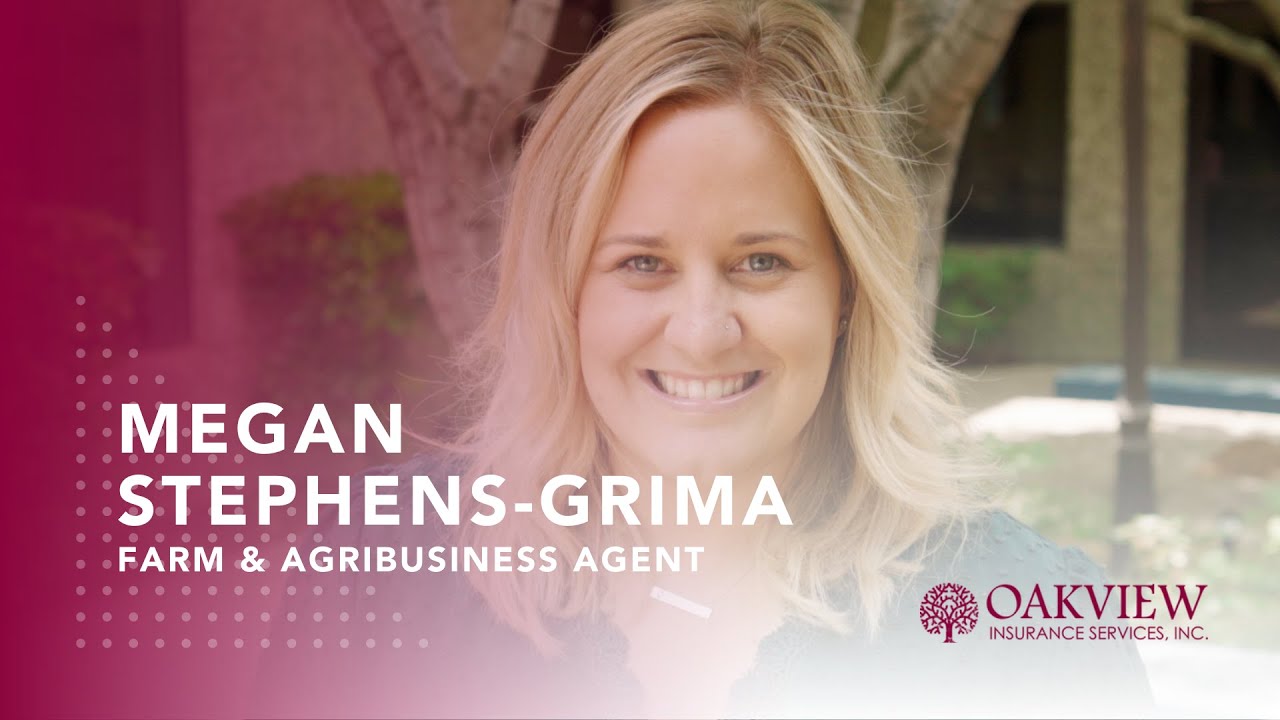
Hear from Megan one of our Farm Specialists
About Oakview's approach to helping California growers, shippers, and packers find the right coverage.
"We believe in doing business Eye to Eye, Face to Face, and with a Handshake."
Dedicated Coverage for California's Key Crops
Sacramento Valley agriculture is not one thing. Rice, almonds, and walnuts each carry distinct equipment chains, processing facilities, seasonal workforce profiles, and coverage requirements that a general farm program page cannot fully address. We have built dedicated insurance resource pages for each of the region's primary row and tree crops, covering the specific phases, equipment brands, processing exposures, and coverage gaps that growers in each category actually face.
Rice Farm Insurance California covers the full rice operation from field prep and aerial seeding through harvest, on-farm drying, and storage. The rice dryer, and the equipment breakdown coverage that standard farm property does not provide, is the central focus.
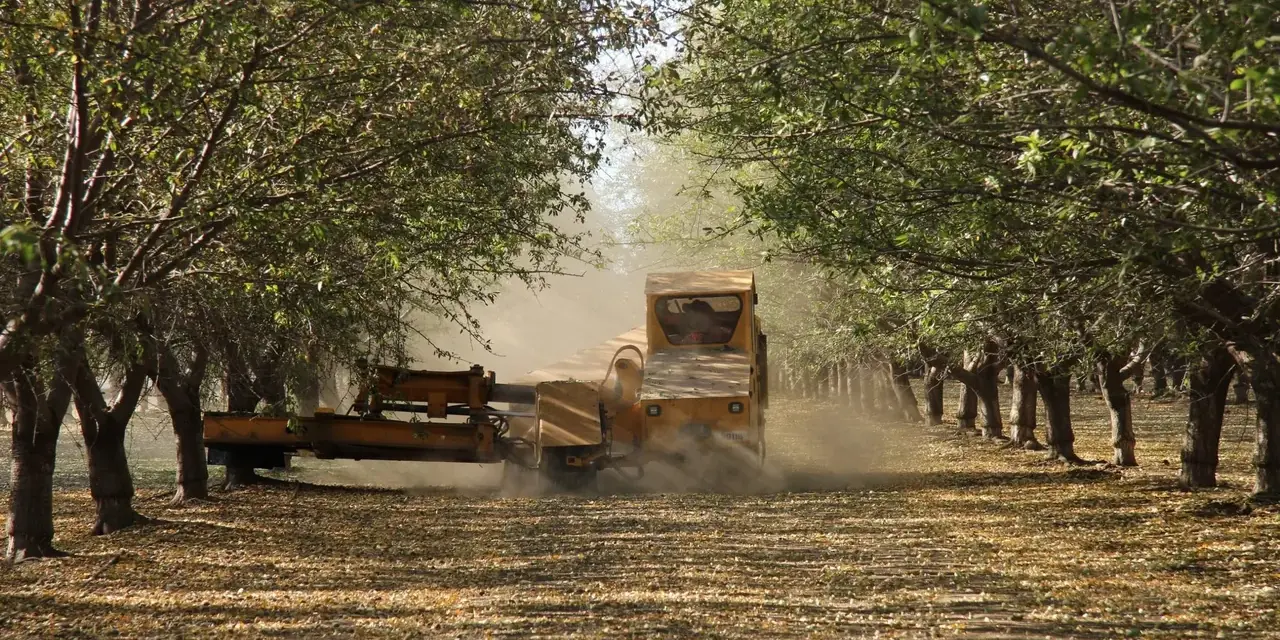
Almond Farm Insurance California covers almond operations from orchard establishment through harvest, hulling, and storage. Young orchard coverage, on-farm huller breakdown, and harvest crew liability are the primary gaps we address.
Walnut Farm Insurance California covers walnut operations from orchard establishment through harvest, hulling, dehydrating, and handler delivery. Walnuts are the only major Sacramento Valley tree crop that runs through two separate processing facilities, huller and dehydrator, each with its own breakdown and fire exposure.
Real Farmer Feedback
Over 807+ 5⭐ reviews, Voted Best Agency, Agent and Customer Service.
K
Karen Judge
Oakview has been a tremendous help to our company by setting up our farm, auto, flood, etc., insurances. They worked very hard to meet our needs and worked effectively and efficiently to get everything done in a timely manner. They are very professional and committed to their work, they are amazing to work with! We highly recommend everyone to get insurance through Oakview.
B
Brooke Reading
I Highly recommend Oakview Insurance Services. They did an outstanding job of making sure I am adequately covered on my auto and Farm policies. My prior farm policy was lacking sufficient coverage. They made sure I have the best coverage without over- or under insuring. Thank you Oakview!
J
Jennifer Tarke Sanders
Oakview has been absolutely fantastic to work with! They handled all of our farm, auto, and home insurance needs, and we couldn’t be happier with the service they provided. They were quick to respond, incredibly reliable, and always thorough in making sure we’re properly covered. They took the time to explain everything clearly and makes the entire process smooth and stress-free. Highly recommend Oakview...
Oakview Insurance Is Your Trusted Farm & Agribusiness Partner
From Orchard to Processing Facility, We Know Northern California Agriculture
Independent Farm and Agribusiness Insurance Across Northern California
Looking for farm insurance in California or an experienced agribusiness insurance agency serving Yuba City, the Sacramento Valley, and the North State? Oakview Insurance Services, Inc. provides farm and agribusiness insurance for rice growers, almond and walnut orchards, ranches, and agricultural operations across Yuba, Sutter, Colusa, Butte, Yolo, Glenn, and surrounding North State counties. Our AFIS-certified advisors and Nationwide Farm Certified agents specialize in farm, ranch, orchard, and agribusiness processing operations throughout California's Sacramento Valley.
We are proud members of the Yuba-Sutter Farm Bureau, the Colusa County Farm Bureau, and the Butte County Farm Bureau. We carry AFIS (Agribusiness and Farm Insurance Specialist) designations and Nationwide Farm Certifications on staff, and we are an authorized State Compensation Insurance Fund agent for agricultural workers compensation placements that private carriers decline.
Areas We Serve Across Northern California
- Yuba County: Marysville, Wheatland, Arboga, Olivehurst, Linda, District 10, Hallwood
- Sutter County: Yuba City, Live Oak, Sutter, Rio Oso, East Nicholas, Meridian, Robbins, Plumas Lake
- Colusa County: Colusa, Williams, Arbuckle, Maxwell, Princeton, Grimes, College City, Sites
- Butte County: Chico, Oroville, Biggs, Richvale, Durham, Gridley, Thermalito, Palermo
- Yolo County: Winters, Capay Valley, Esparto, Woodland, Davis, Knights Landing
- Glenn County: Orland, Hamilton City, Willows, and surrounding agricultural areas
Dedicated Local Coverage Pages
We maintain dedicated farm and agriculture insurance pages for every major farming community we serve. Click your area for local crop profiles, coverage details, and area-specific insurance considerations.
- Arbuckle
- Biggs
- Chico
- Colusa
- Durham
- Gridley
- Live Oak
- Marysville and District 10
- Maxwell
- Oroville
- Richvale
- Wheatland
- Williams
- Winters and Capay Valley
- Woodland
- Yuba City and Yuba-Sutter
Farm and Agricultural Operations We Insure Across California
We insure leading rice growers, almond and walnut orchards, prune, peach, kiwi, and stone fruit operations, along with cattle ranches, livestock producers, hay and grain operations, and agribusiness processing facilities throughout Northern California. Our advisors understand the operational risks unique to California agriculture, including land values, water exposure, equipment, seasonal labor, processing facilities, and direct-to-consumer sales.
- Rice operations (field, dryer, storage, and processing)
- Almond orchards and almond hullers
- Walnut orchards and walnut hullers
- Prune orchards and prune dehydrators
- Peach, kiwi, stone fruit, and citrus operations
- Olive groves and olive mills
- Vineyards, wineries, and tasting rooms
- Cattle, livestock, and ranch operations
- Hay, grain, and field crop operations
- Organic and certified specialty farms
- Processing tomato operations
- Custom farming and ag service contractors
- Grower-packer-shipper operations
- Agricultural service and processing businesses
Agribusiness Insurance for Rice Dryers, Almond Shellers, and Walnut Hullers
Processing operations are a specialty for our agency. Most independent agencies cannot place rice dryer insurance, almond sheller insurance, walnut huller insurance, or prune dehydrator insurance because they lack the farm-specialized carrier relationships and underwriting experience these accounts require. We place these programs regularly and structure them with commercial property, equipment breakdown, business income, general liability, products and completed operations, bailee coverage for grower-owned product on premises, and workers compensation specifically underwritten for processing operations.
What Farm and Agribusiness Insurance Typically Covers
A complete farm insurance program is built from a full operational risk review. The right combination depends on what you grow, how your land is structured, who works for you, and what facilities you operate.
Farm Property and Structures
- Farm dwellings, rental homes, and farm labor housing
- Barns, shops, silos, grain bins, and storage buildings
- Cold storage, packing sheds, and processing facilities
- Rice dryers, hullers, dehydrators, and milling facilities
- Irrigation pumps, wells, and water infrastructure
Farm and Agribusiness Liability
- Premises and operational liability
- Products and completed operations
- Landowner and leased land liability
- Custom farming and mobile equipment exposure
- Agritourism, tasting room, and direct-to-consumer liability
- Commercial umbrella for catastrophic claim protection
Agricultural Equipment and Machinery
- Tractors, harvesters, sprayers, and orchard equipment
- Scheduled and blanket machinery coverage
- Equipment breakdown for hullers, dryers, and dehydrators
- Theft, fire, collision, and transport coverage
Workers Compensation for Agricultural Operations
- Seasonal and year-round labor coverage
- H-2A and piece-rate worker classification support
- Compliance with California agricultural labor requirements
- Experience mod management and claims advocacy
- SCIF placements for operations declined by private carriers
Livestock Coverage
- Cattle and livestock mortality options
- Theft and transit risks
- Care, custody, and control for boarding operations
- Equine mortality and liability
Specialty and Supplemental Coverages
- Agricultural pollution liability coverage
- Seed endorsements
- Leased acreage and custom farming liability
- Organic certification continuity and contamination coverage
- Farm umbrella policies
Independent Farm Insurance Broker Serving Northern California
As an independent farm and agribusiness insurance broker in California, our AFIS-certified advisors structure coverage based on your operation's actual risks, not a single-carrier model. We work with leading farm and agribusiness carriers including Nationwide Agribusiness, Travelers Agribusiness, Liberty Mutual, CIG, Zenith Agribusiness, Chubb Agribusiness, Grange Insurance, Great American, and Philadelphia Insurance, plus specialty and non-standard markets including the California FAIR Plan, Mesa, and surplus lines alternatives for high-fire and hard-to-place risks.
A captive agent represents one company and can only offer that company's products. As an independent broker with 30-plus A-rated carriers, we match the carrier to the operation rather than fitting the operation into one carrier's structure. In California agriculture, where carrier appetites vary widely by crop type, processing exposure, county, and fire risk zone, that access makes a direct difference in coverage quality and pricing.
Rooted in Northern California's Agricultural Communities
We are active members of the Yuba-Sutter Farm Bureau, the Colusa County Farm Bureau, and the Butte County Farm Bureau, and we participate in California Farm Bureau programs across the Sacramento Valley. Our team supports local 4-H and FFA chapters, the Yuba Sutter Fair Livestock Auction, and the agricultural organizations that have shaped this region for generations. When you work with Oakview, you work with an agency that has a stake in the same community your operation depends on.
Frequently Asked Questions About California Farm and Agribusiness Insurance
What is the difference between an independent agent and a captive insurance agent for farm coverage?
An independent agent works with multiple carriers and shops your coverage across the available markets. A captive agent represents one carrier and can only offer that carrier's products. For California farm and agribusiness operations, this distinction matters significantly. Different carriers have different appetites for different operations. One carrier may be strong on rice and orchard property but weak on processing and equipment breakdown. Another may have superior workers compensation pricing but limited liability options for hullers and dryers. A captive agent has to fit your operation into one carrier's structure. An independent agency matches the carrier to the operation.
Independent agencies also provide continuity if a carrier exits the market or non-renews a policy class. The agency stays the same even when the carrier behind the policy changes.
How do I switch farm insurance agents without losing coverage?
Switching farm insurance agents does not require switching carriers, and a properly handled transition has zero gap in coverage. The process starts with a side-by-side review of the current program. The new agency identifies any gaps, redundancies, or pricing opportunities in writing before any change is made. If the existing carriers and coverage structure are the right fit, the new agency can often retain those policies while taking over advisory and service responsibility. This is called a Broker of Record change and it does not affect the policy itself.
If a better structure exists with a different carrier, the new program is bound to start the same day the old one ends. Written coverage verification confirms there is no lapse. There should never be pressure to switch carriers if the existing structure already fits the operation.
Does my farm policy cover custom farming operations?
Custom farming, where you perform agricultural work on someone else's land for hire, is one of the most commonly under-covered exposures on California farms. A standard farm liability policy is built around your own farming operation on your own ground. The moment you take equipment onto a neighbor's property to disc, plant, spray, harvest, or haul for compensation, you have stepped into a different exposure category, and most standard farm policies either limit or exclude that activity unless it is specifically endorsed.
Custom farming coverage typically requires a custom farming endorsement on the farm liability policy, with proper classification of the activities being performed and accurate gross receipts disclosed. Operations with significant custom work may need a separate commercial general liability policy or a tailored agribusiness program. Spray drift exposure, equipment damage to the customer's property, and bodily injury to the customer or third parties on the job site are all real claim scenarios.
Do I need Farm Labor Contractor (FLC) insurance, and what does it cover?
If you are licensed as a Farm Labor Contractor in California, the state requires specific insurance coverage as a condition of your license, and the requirements are stricter than what a standard farm policy provides. California Labor Code requires FLCs to carry workers compensation, vehicle liability with specific minimum limits for transporting workers, and a surety bond. The vehicle liability requirements increase based on the number of passengers being transported.
FLC coverage typically includes workers compensation built for piece-rate, seasonal, and H-2A labor classifications, commercial auto with passenger liability appropriate for crew vehicles, general liability for FLC operations, employment practices liability for wage and hour exposure, and the surety bond required by the state. Growers who hire FLCs should also verify the contractor's insurance is current and adequate, because in some claim scenarios the grower can be drawn into liability if the FLC is uninsured or underinsured.
Should I require anyone working on my farm to list me as an additional insured?
Yes, and it is one of the most overlooked risk transfer tools available to California growers. Anyone performing work on your property, including farm labor contractors, custom harvesters, spray applicators, irrigation contractors, trucking firms, equipment repair companies, and any other vendor, should provide you with a Certificate of Insurance and name your operation as an additional insured on their commercial general liability policy.
If a contractor's employee is injured on your property, or if their work causes property damage or third-party injury, you can be named in the claim or lawsuit even though you did not perform the work. When you are listed as an additional insured on the contractor's policy, their insurance is required to defend and pay for your liability arising from their operations before your own policy is triggered. Without that designation, your own farm liability policy ends up paying for someone else's mistake.
What is farm umbrella insurance and do I really need it?
A farm umbrella policy provides an additional layer of liability coverage that sits on top of your farm liability, farm auto, and employer's liability policies. When a claim exceeds the underlying policy limits, the umbrella picks up where those policies stop, typically in increments of one million dollars and often available up to ten million dollars or more.
California ag operations face elevated liability exposure for several reasons. Auto exposure is significant when farm vehicles, trucks, trailers, and crew vans share roads with the public. Spray drift and chemical application carry catastrophic claim potential. Farm labor and worker injury can produce six-figure and seven-figure verdicts, especially when wage and hour or labor code violations are alleged. A farm umbrella is one of the lowest-cost-per-dollar-of-protection products available in farm insurance, and it is often the difference between a claim that ends with the policy paying and a claim that reaches into the operation's assets or future farm income.
Does a farm policy include commercial auto coverage for trucks and trailers?
Most farm owners packages include farm auto coverage by default, but the structure of farm auto is different from commercial auto, and the difference matters when an operation grows beyond personal-use vehicles. Farm auto is built for vehicles primarily used for farming activities, registered in the farm name, and operating largely on the farm or between the farm and local destinations.
When a farm operation runs a truck for hire, hauls for other growers, transports product to a packer or processor under a contract, or uses vehicles for activities outside of typical farming, a commercial auto policy is usually required either in place of or alongside the farm auto policy. Federal Motor Carrier Safety Administration regulations may also apply. Operations with semi-trucks, gooseneck trailers used commercially, or any for-hire trucking exposure should have the auto exposure reviewed annually. A claim involving a vehicle used outside its policy classification can be denied entirely.
What is grower, packer, and shipper insurance?
Grower, packer, and shipper insurance, often called GPS coverage, is a specialized agribusiness program structured for operations that move product through multiple stages of the supply chain. A grower-packer-shipper does not just farm. The same operation harvests its own crop, packs and grades it in an on-site facility, stores it under refrigeration, and ships it to buyers under its own brand or label. The exposures multiply at every stage, and a standard farm policy is rarely structured to address all of them.
A properly built GPS program addresses orchard and field property, packing facility and warehouse buildings, equipment breakdown for sorting lines and refrigeration, products and completed operations liability for product moving into commerce under your label, contamination and product recall exposure, business interruption tied to packing and shipping operations, transit and stock throughput coverage, customer-grower bailee coverage for product belonging to other growers in your facility, and brand and label coverage.
What are Self-Insured Plans and Captive Insurance Programs for agricultural operations?
Self-Insured Plans and captive insurance programs are alternative risk financing structures used by larger or safety-driven agricultural operations to gain control over workers compensation and other coverage costs rather than continuing to pay premiums to a traditional carrier year after year. In a self-insured group, a collection of operations with strong safety records pool their resources, share in underwriting profit when claims are favorable, and contract directly with a Third Party Administrator for claims handling.
California has a long history of agricultural self-insured groups, including programs structured specifically for growers, food processors, and farm labor contractors. Most candidates have annual premiums of several hundred thousand dollars or more, three to five years of clean loss history, a documented commitment to workplace safety, and the financial stability to participate in a multi-year program. For operations that meet those criteria, alternative risk programs can produce meaningful long-term savings and stronger claims control. Our agency works with operations evaluating self-insured group membership and captive feasibility studies in coordination with specialized administrators when a traditional fully-insured market is not the best fit.